
Designing for Coastal Environments: Context-Led Architecture for Challenging Shoreline Sites
Coastal environments are some of the most dynamic and challenging settings for architecture. With shifting tides, saline air, high winds, and the ever-present threat of erosion or flooding, designing in these areas demands more than aesthetic vision—it requires a profound understanding of context. Context-led architecture offers a framework for creating resilient, responsive, and meaningful structures that harmonize with the coastal landscape rather than fight against it.
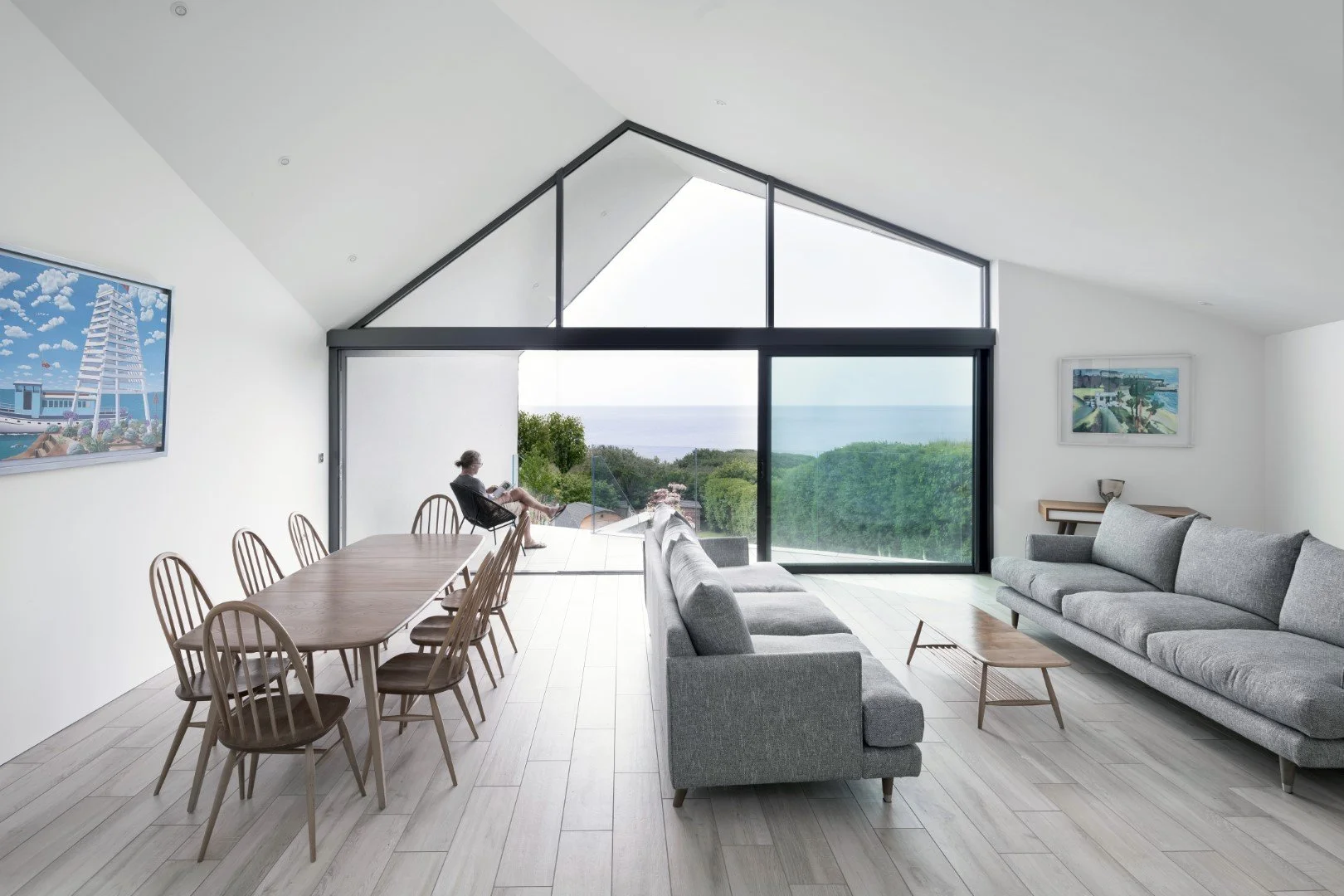
Understanding the Coastal Context
Before a single line is drawn, architects must immerse themselves in the coastal context. This involves studying:
Geography and Topography: Coastal sites can range from steep cliffs to sandy dunes or tidal marshlands. Each condition brings unique constraints and opportunities.
Climate Patterns: Wind, rainfall, humidity, and salt exposure influence material selection and building orientation.
Environmental Risks: Flooding, storm surges, and erosion are constant threats. Risk assessment is essential for long-term resilience.
Ecology: Coastal ecosystems—mangroves, dune grasses, or coral reefs—must be preserved or integrated thoughtfully into the design.
A context-led approach views these factors not as obstacles but as guiding parameters for design.
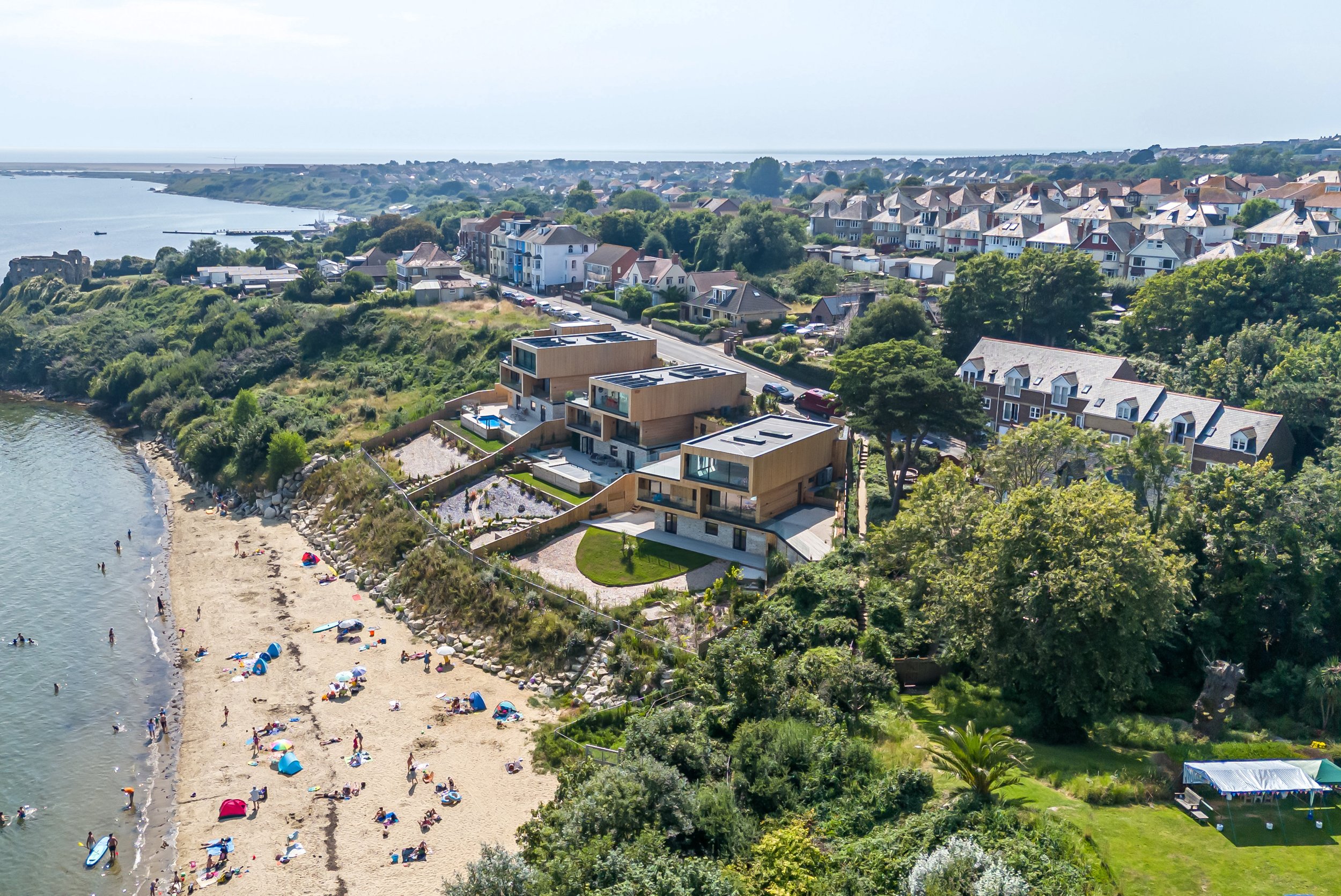
Principles of Coastal Architecture
Resilience and Adaptation
Structures must withstand extreme weather events and changing sea levels. Elevated foundations, flexible structural systems, and flood-resistant materials are common strategies. Some designs even embrace seasonal adaptation, such as retractable walls or modular units that can shift with environmental conditions.
Material Sensitivity
Coastal environments accelerate wear and tear on materials due to salt, moisture, and sun exposure. Durable, corrosion-resistant, and low-maintenance materials—such as treated timber, stainless steel, and high-performance concrete—are vital. Natural materials can also help the building blend into its surroundings.
Integration with Landscape
Coastal architecture thrives when it works with the land rather than imposing upon it. Buildings can follow natural contours, preserve dunes, or incorporate vegetation to buffer against wind and erosion. Green roofs, permeable surfaces, and native plantings further reduce environmental impact.
Sustainable and Passive Design
Passive strategies—like cross-ventilation, solar orientation, and shading—help buildings cope with harsh coastal climates while reducing energy consumption. Rainwater harvesting and wastewater management also address resource challenges in often remote shoreline sites.
Cultural and Contextual Sensitivity
Coastal sites often hold historical or cultural significance. Design should respect local heritage, vernacular styles, and community usage patterns, ensuring the architecture feels rooted in its place.
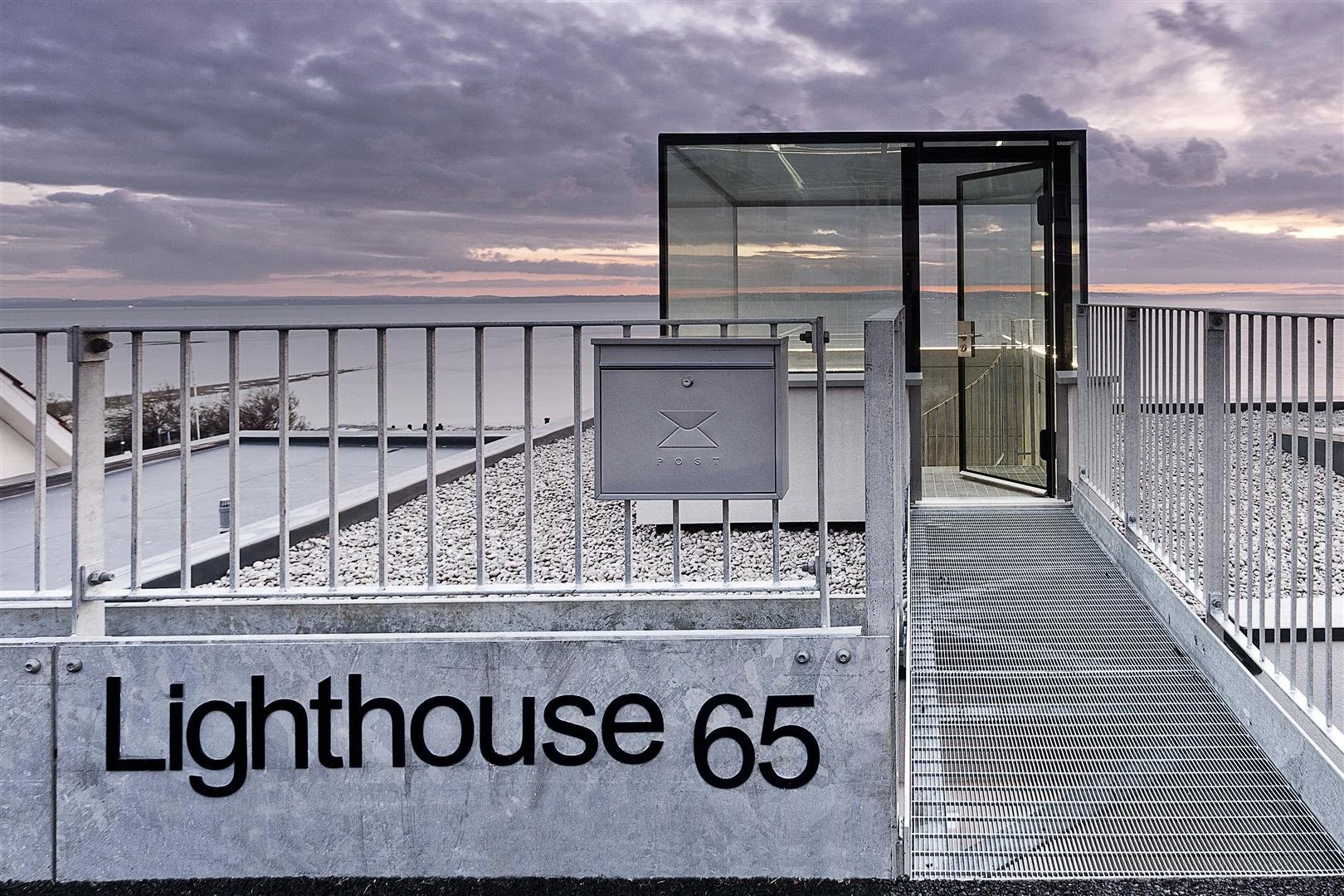
Designing for coastal environments is a delicate balancing act between resilience, sustainability, and aesthetic value. Context-led architecture acknowledges the power and vulnerability of shoreline sites, turning environmental challenges into opportunities for innovation. By reading the land, respecting ecosystems, and anticipating climatic threats, architects can create coastal buildings that are not only functional but also timeless—structures that stand in harmony with the ever-changing rhythm of the sea.